

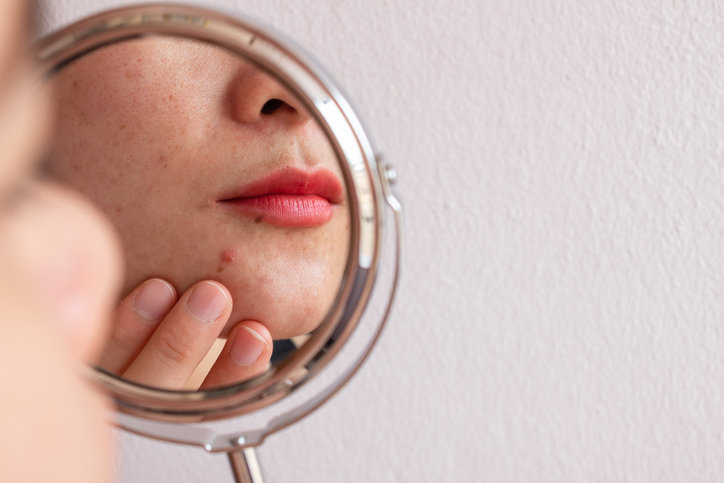
Red Light Therapy for Acne: Does It Really Work?
Acne isn’t just a teenage problem—millions of adults struggle with persistent breakouts that affect their confidence and quality of life. While there’s no shortage of acne treatments on the market, many come with significant side effects, from dry, irritated skin to more serious concerns with medications like isotretinoin. Red light therapy offers a gentler, science-backed alternative that addresses acne at its root causes without harsh chemicals or medications.
Understanding Acne: More Than Skin Deep
Acne develops when hair follicles become clogged with oil and dead skin cells, creating an environment where bacteria—particularly Cutibacterium acnes (formerly called Propionibacterium acnes)—can thrive. This bacterial overgrowth triggers inflammation, leading to the red, swollen, sometimes painful lesions we recognize as acne.
While the basic mechanism sounds straightforward, acne is actually a complex condition influenced by multiple factors: hormones, inflammation, bacteria, genetics, stress, diet, and skincare habits. This complexity is why a single treatment approach often falls short. The most effective acne solutions address multiple aspects of the condition simultaneously.
How Red Light Therapy Targets Acne
Red light therapy works against acne through several powerful mechanisms:
Reducing Inflammation: Inflammation is what makes acne red, swollen, and painful. It’s also what leads to scarring. Red light therapy has been extensively studied for its anti-inflammatory effects. By reducing inflammatory cytokines and increasing anti-inflammatory compounds, it helps calm angry, inflamed skin and may prevent the deep inflammation that leads to scarring.
Improving Cellular Function: Red light stimulates mitochondrial function in skin cells, increasing ATP production. This boost in cellular energy helps skin cells function more efficiently, including better regulation of oil production and faster healing of existing lesions.
Enhancing Skin Healing: By promoting collagen production and improving circulation, red light therapy supports faster healing of active acne and helps reduce the appearance of post-inflammatory hyperpigmentation (those dark marks that linger after breakouts heal).
Balancing Oil Production: While the research is still emerging, some evidence suggests that improved cellular function from red light therapy may help regulate sebaceous gland activity, potentially addressing one of acne’s root causes.
Blue Light vs. Red Light: What’s the Difference?
You may have heard about blue light therapy for acne, and wonder how it differs from red light. Both have roles to play, but they work through different mechanisms.
Blue light (around 415nm) has antibacterial properties and can kill C. acnes bacteria on the skin’s surface. It’s effective but works only superficially and can be somewhat harsh, potentially causing dryness or sensitivity.
Red light (around 630-660nm) penetrates deeper into the skin and works primarily through reducing inflammation and supporting cellular function rather than directly killing bacteria. Near-infrared light (around 850nm) penetrates even deeper, supporting healing in the dermis where more severe acne develops.
Many dermatologists now recommend combination approaches, using blue light for its antibacterial effects and red light for its anti-inflammatory and healing properties. However, for people with sensitive skin or those concerned about potential irritation, red light therapy alone can be very effective.
What the Research Says
Clinical studies on red light therapy for acne have shown promising results. A study published in the Journal of Clinical and Aesthetic Dermatology found that red light therapy significantly reduced inflammatory acne lesions with no adverse effects. Participants saw improvements in both the number of lesions and overall skin appearance.
Research comparing different light therapies found that while blue light showed faster initial results in reducing surface bacteria, red light produced better long-term outcomes by addressing inflammation and supporting skin health at a deeper level.
A systematic review of multiple studies concluded that phototherapy, including red light therapy, represents an effective and safe treatment option for mild to moderate acne, with particular benefits for reducing inflammation and preventing scarring.
Practical Application: Using Red Light Therapy for Acne
If you’re considering red light therapy for acne, here’s what you need to know:
Consistency is crucial: Most studies showing significant improvement used daily or near-daily treatments over 8-12 weeks. Acne didn’t develop overnight, and it won’t disappear overnight either. Plan for at least 2-3 months of consistent use to see optimal results.
Treatment protocol: Sessions typically last 10-20 minutes, with the light applied directly to affected areas. Clean skin before treatment to ensure light penetration isn’t blocked by makeup or oil.
What to expect: You might notice some improvement in inflammation and redness within the first few weeks. Deeper changes in skin health and reduction in new breakouts typically emerge after 4-8 weeks of regular use. Some people experience a brief initial purging period as the therapy stimulates cellular turnover.
Combination approach: Red light therapy often works best when combined with a gentle, consistent skincare routine. Avoid harsh products that strip the skin, as this can trigger more oil production.
Managing Expectations: What Red Light Therapy Can and Can’t Do
Red light therapy is highly effective for inflammatory acne—the red, swollen papules and pustules that make up the majority of acne breakouts. It’s also excellent for reducing post-acne redness and supporting scar healing.
However, it’s less effective for purely comedonal acne (blackheads and whiteheads without inflammation) and won’t address severe cystic acne as a standalone treatment. For severe acne, red light therapy can be a valuable complement to other treatments, but shouldn’t replace dermatological care.
Red light therapy is also excellent for maintaining clear skin once you’ve gotten acne under control, helping prevent inflammatory flares and supporting overall skin health.
Beyond Acne: Additional Skin Benefits
One of the advantages of red light therapy is that it offers multiple skin benefits beyond acne treatment:
Anti-Aging Effects: The same wavelengths that help with acne also stimulate collagen and elastin production, reducing fine lines and improving skin texture and tone.
Scar Reduction: Red light therapy can help fade acne scars and hyperpigmentation by promoting cellular turnover and healing.
Overall Skin Health: Improved circulation and cellular function lead to healthier, more radiant-looking skin with better moisture retention and more even tone.
Reduced Redness and Sensitivity: Many people find that red light therapy helps calm reactive skin and reduces general redness, not just from acne.
Combining Red Light Therapy with Other Acne Treatments
Red light therapy can be safely combined with most acne treatments:
Topical Treatments: You can continue using topical retinoids, benzoyl peroxide, or other acne medications alongside red light therapy. In fact, the anti-inflammatory effects of red light may help reduce the irritation these products sometimes cause.
Professional Treatments: Red light therapy complements professional treatments like chemical peels or microneedling, supporting faster healing and better results.
Lifestyle Factors: Remember that acne is influenced by diet, stress, and hormones. Red light therapy works best as part of a holistic approach that includes proper nutrition, stress management, and adequate sleep.
For comprehensive skin health, some people find that combining red light therapy sessions with infrared sauna therapy provides additional benefits. The deep sweating from infrared sauna helps clear pores and eliminate toxins through the skin, while also reducing stress—a known acne trigger.
Choosing the Right Device for Acne Treatment
When selecting a red light therapy device for acne, consider:
Wavelength Options: Look for devices offering red light (630-660nm) for surface-level anti-inflammatory benefits, ideally combined with near-infrared (850nm) for deeper tissue support.
Treatment Area: For facial acne, a panel or mask that covers the full face ensures even treatment. For body acne (back, chest, shoulders), larger panels are more practical.
Quality and Safety: Choose devices from reputable manufacturers with proper certifications. LED devices are safest for facial use, as they don’t generate heat that could worsen inflammation.
Safety and Side Effects
Red light therapy for acne is remarkably safe. Unlike many acne medications, it has no systemic side effects and doesn’t cause photosensitivity, dryness, or other common treatment side effects.
The most common “side effect” is actually positive: people often notice improved skin quality beyond just acne improvement. Some people experience very mild, temporary redness immediately after treatment, which resolves within minutes.
Red light therapy is safe for all skin types and tones, unlike some other light-based treatments that can be problematic for darker skin.
The Bottom Line
If you’re struggling with acne and looking for an effective, gentle alternative to harsh medications, red light therapy deserves serious consideration. The science is solid, the treatment is safe, and the results—while requiring patience and consistency—can be transformative.
Red light therapy addresses acne through multiple mechanisms: reducing inflammation, supporting cellular health, promoting healing, and improving overall skin function. Combined with a consistent skincare routine and healthy lifestyle habits, it offers a path to clearer, healthier skin without the side effects of many conventional treatments.
Remember, the key to success with red light therapy is consistency. Give your skin time to respond, and you may be pleasantly surprised by how much clearer and healthier it can look.
Disclaimer: This content is provided for educational purposes and should not replace professional medical advice. Always consult with qualified healthcare providers before making changes to your health regimen.
Please take time to study up and read up on the multiple values of red light therapy and sauna use. Be sure to use reputable products. The products recommended on this blog are products I use myself and recommend to people called patients. So I have a total comfort zone recommending them to you!
Remember, your mitochondria are YOU—be good to them, love them, and the rest will fall into place. Stay Safe and Be Well Out There!
RedLightTherapyForMe.com is committed to empowering individuals with the healing aspects of light therapy and sauna wellness. Explore the transformative benefits of these natural modalities and discover your path to optimal health today.