

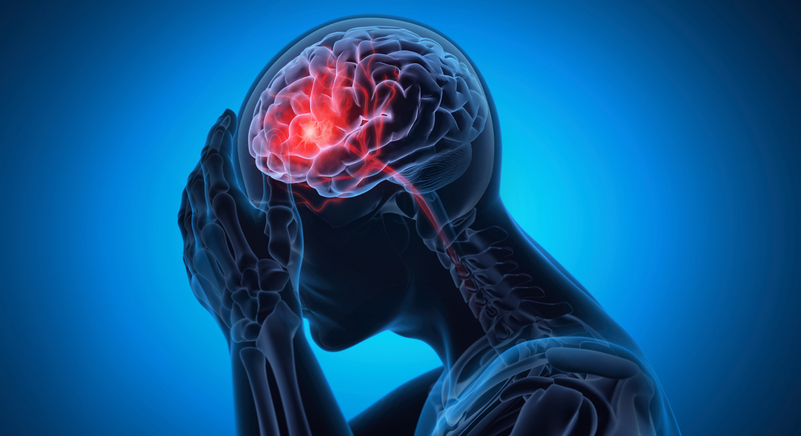
Red Light Therapy for Seasonal Affective Disorder (SAD) and Depression
As the days grow shorter and darker, millions of people experience a significant shift in their mood and energy levels. If you find yourself feeling persistently down, fatigued, or unmotivated during fall and winter months, you might be experiencing Seasonal Affective Disorder (SAD). While traditional light therapy boxes have been the go-to treatment for decades, emerging research suggests that red light therapy offers unique benefits for both seasonal and non-seasonal depression. Check out the DNA Vibe, what we use at home and in clinic.
Understanding Seasonal Affective Disorder and Light Exposure
Seasonal Affective Disorder is more than just the “winter blues.” It’s a recognized form of depression that follows a seasonal pattern, typically worsening during fall and winter when natural sunlight exposure decreases. The condition affects approximately 5% of adults in the United States, with many more experiencing milder symptoms.
The connection between light exposure and mood is deeply rooted in our biology. Light plays a crucial role in regulating circadian rhythms, the internal clock that controls sleep-wake cycles, hormone production, and numerous other physiological processes. When we don’t get enough natural light, particularly during winter months, these systems can fall out of balance.
Reduced light exposure affects the production of serotonin, a neurotransmitter that regulates mood, and melatonin, which controls sleep patterns. It can also disrupt cortisol rhythms, leading to fatigue and mood disturbances. For people with SAD, these changes translate into symptoms like persistent low mood, increased sleep, carbohydrate cravings, weight gain, and social withdrawal.
How Red Light Therapy Differs from Traditional Light Therapy
Traditional light therapy for SAD typically involves sitting in front of a bright white light box (10,000 lux) for 20-30 minutes each morning. This approach has been well-studied and is effective for many people. However, red light therapy offers a different mechanism of action with some unique advantages.
While bright white light primarily works by suppressing melatonin production and helping reset circadian rhythms through the eyes, red and near-infrared light therapy works at the cellular level throughout the body. Red light penetrates deeper into tissues, including reaching the brain when applied near the head, and stimulates mitochondrial function to increase cellular energy production.
Research published in JAMA Psychiatry and other journals has shown that red and near-infrared light can have direct antidepressant effects, independent of circadian rhythm regulation. This suggests that red light therapy may help depression through multiple pathways.
The Science Behind Red Light Therapy for Depression
Several mechanisms explain how red light therapy may alleviate symptoms of depression:
Increased ATP Production: Depression has been associated with decreased cellular energy metabolism in the brain. Red light therapy stimulates mitochondria to produce more ATP, potentially addressing this energy deficit. Studies using brain imaging have shown increased metabolic activity in areas of the brain associated with mood regulation following red light therapy treatment.
Reduced Neuroinflammation: Emerging research suggests that inflammation in the brain plays a significant role in depression. Red light therapy has powerful anti-inflammatory effects and may help reduce neuroinflammation, thereby improving mood and cognitive function.
Enhanced Neurotransmitter Function: Studies indicate that red light therapy may influence the production and regulation of neurotransmitters including serotonin, dopamine, and norepinephrine—all of which play crucial roles in mood regulation.
Improved Cerebral Blood Flow: Red light therapy stimulates the production of nitric oxide, which causes blood vessels to dilate. Better blood flow to the brain means improved oxygen and nutrient delivery, supporting optimal brain function.
Neuroprotection and Neurogenesis: Some research suggests that near-infrared light may protect brain cells from damage and even stimulate the growth of new neurons, particularly in areas like the hippocampus that are often affected in depression.
What the Research Shows
Clinical studies on red light therapy for depression are still emerging, but the results so far are encouraging. A pilot study published in Photomedicine and Laser Surgery found that transcranial near-infrared light therapy (applied to the forehead) produced significant improvements in depression symptoms with no adverse effects.
Another study examining the use of near-infrared light for major depressive disorder found that participants experienced measurable improvements in mood and cognitive function after just a few weeks of treatment. The effects were sustained in many participants even after treatment ended, suggesting lasting biological changes.
Research has also shown that red light therapy can improve sleep quality, which is often disrupted in people with depression. Better sleep alone can significantly improve mood and energy levels, creating a positive feedback loop.
Practical Application: Using Red Light Therapy for Mood Support
If you’re considering red light therapy for SAD or depression, consistency is key. Most research protocols have used daily or near-daily sessions, typically lasting 10-30 minutes.
Timing considerations: For SAD specifically, many people find morning sessions most beneficial, as they help establish healthy circadian rhythms and provide an energy boost for the day ahead. However, some people benefit from evening sessions as well, particularly if sleep quality is a concern.
Treatment approach: Red light therapy devices can be used on the forehead/face area for potential direct brain benefits, or on other parts of the body to support overall cellular function and energy. Full-body approaches may offer additional benefits through improved overall physiology.
What to expect: Unlike antidepressant medications that can take 4-6 weeks to show effects, some people notice subtle improvements in energy and mood within the first week or two of consistent red light therapy use. However, more significant changes typically emerge after 4-8 weeks of regular use.
Complementary Approaches for Comprehensive Mood Support
Red light therapy works best as part of a holistic approach to mental health. Consider combining it with:
Adequate Vitamin D: Vitamin D deficiency is strongly associated with depression, especially SAD. Having your vitamin D levels tested and supplementing appropriately can make a significant difference. Many people with mood disorders are deficient without realizing it.
Regular Exercise: Physical activity is one of the most effective natural antidepressants. Even moderate movement like walking can boost mood-regulating neurotransmitters.
Omega-3 Fatty Acids: These essential fats support brain health and have been shown to help with depression in numerous studies.
Quality Sleep: Prioritizing sleep hygiene supports mood regulation. Red light therapy may actually help improve sleep quality by supporting healthy circadian rhythms.
Professional Support: While red light therapy can be a valuable tool, it should complement—not replace—professional mental health care when needed.
For some people, combining red light therapy with infrared sauna sessions provides even more comprehensive support. The deep warming and relaxation from infrared sauna therapy can reduce stress, improve sleep, and promote the release of endorphins—all beneficial for mood.
Safety Considerations and Who Should Try Red Light Therapy
Red light therapy is generally very safe with minimal side effects. Unlike some antidepressant medications, it doesn’t cause weight gain, sexual dysfunction, or other common medication side effects. It’s non-invasive and painless.
That said, red light therapy should not replace professional mental health treatment for moderate to severe depression. If you’re experiencing thoughts of self-harm, significant functional impairment, or severe symptoms, it’s crucial to work with a qualified mental health provider.
For people with bipolar disorder, there’s theoretical concern that light therapy could trigger manic episodes, so extra caution and professional oversight is warranted.
Choosing a Red Light Therapy Device for Mood Support
When selecting a device for mood and brain health support, look for:
Appropriate Wavelengths: Both red light (around 660nm) and near-infrared (around 810-850nm) have research support for mood benefits. Near-infrared penetrates deeper and is particularly relevant for potential brain effects.
Quality and Consistency: Look for devices from reputable manufacturers with proper testing. Some devices, like those using DNA Vibe’s patented technology, deliver therapeutic wavelengths through innovative approaches that optimize cellular response.
Ease of Use: Since consistency is crucial for mood benefits, choose a device that fits easily into your daily routine.
The Bottom Line
Seasonal Affective Disorder and depression can significantly impact quality of life, but you have more options than you might think. Red light therapy offers a natural, science-backed approach to supporting mood and energy through multiple biological mechanisms.
While it’s not a magic cure, the combination of improved cellular energy, reduced inflammation, enhanced neurotransmitter function, and better sleep can make a meaningful difference in how you feel. Whether you’re dealing with seasonal mood changes or year-round depression, red light therapy deserves consideration as part of your mental health toolkit.
Remember, the darkest months don’t have to mean the darkest moods. With the right combination of light, lifestyle, and support, you can maintain your wellbeing throughout the year.
Disclaimer: This content is provided for educational purposes and should not replace professional medical advice. Always consult with qualified healthcare providers before making changes to your health regimen.
Please take time to study up and read up on the multiple values of red light therapy and sauna use. Be sure to use reputable products. The products recommended on this blog are products I use myself and recommend to people called patients. So I have a total comfort zone recommending them to you!
Remember, your mitochondria are YOU—be good to them, love them, and the rest will fall into place. Stay Safe and Be Well Out There!
RedLightTherapyForMe.com is committed to empowering individuals with the healing aspects of light therapy and sauna wellness. Explore the transformative benefits of these natural modalities and discover your path to optimal health today.