

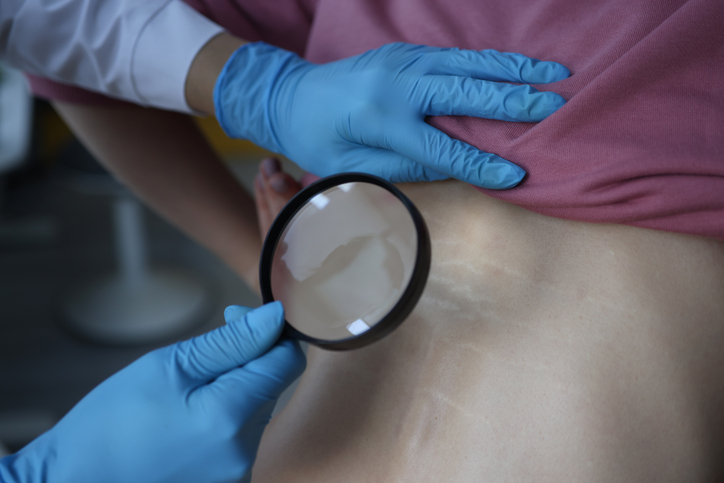
Red Light Therapy for Scars and Stretch Marks: What the Science Says
Scars and stretch marks are incredibly common, affecting nearly everyone at some point in their lives. Whether from surgery, injury, acne, or pregnancy, these marks can be a source of self-consciousness even though they’re a normal part of skin’s healing process. While countless products promise to fade scars and stretch marks, few have solid science to back them up. Red light therapy stands out as one of the few approaches with genuine research demonstrating its ability to improve scar appearance and support skin healing.
Understanding Scars: How They Form and Why They Persist
When skin is injured deeply enough to damage the dermis (the layer below the surface), your body initiates a complex healing process. During this process, collagen fibers are rapidly laid down to close the wound. However, this “emergency repair” collagen is often organized differently than the collagen in normal skin—it tends to be more aligned and dense, which is why scars look and feel different from surrounding skin.
Several factors influence how scars develop:
Depth and Type of Injury: Deeper wounds and burns tend to produce more noticeable scars. Wounds that heal slowly or become infected are also more likely to scar significantly.
Location: Areas with high tension (like shoulders, chest, and joints) tend to develop more prominent scars.
Genetics: Some people are genetically predisposed to more prominent scarring, including keloid and hypertrophic scars.
Age and Skin Health: Younger, healthier skin generally heals better with less scarring.
Post-Injury Care: How a wound is cared for during healing significantly impacts final scar appearance.
Scars can be raised (hypertrophic or keloid), depressed (atrophic, like some acne scars), discolored (hyperpigmented or hypopigmented), or a combination of these characteristics.
Understanding Stretch Marks: More Common Than You Think
Stretch marks (striae) develop when skin stretches rapidly, causing the dermal collagen and elastin to tear. This commonly occurs during:
Pregnancy: Up to 90% of pregnant women develop stretch marks, typically on the abdomen, breasts, hips, and thighs.
Rapid Growth: Adolescent growth spurts often produce stretch marks on the back, hips, and thighs.
Weight Changes: Rapid weight gain or loss can trigger stretch mark formation.
Bodybuilding: Rapid muscle growth can cause stretch marks, particularly on shoulders, arms, and chest.
Medical Conditions: Certain hormonal conditions and medications (particularly corticosteroids) increase stretch mark susceptibility.
Fresh stretch marks appear red or purple due to visible blood vessels beneath the thinned skin. Over time, they typically fade to white or silver as the blood vessels recede, but the textural changes in the skin persist.
How Red Light Therapy Improves Scars and Stretch Marks
Red light therapy addresses scar tissue and stretch marks through multiple mechanisms:
Collagen Remodeling: This is perhaps the most important mechanism. Red light therapy stimulates fibroblasts—the cells responsible for producing collagen—to increase collagen production. More importantly, it helps promote more organized collagen structure, gradually remodeling scar tissue to more closely resemble normal skin.
Increased Elastin Production: Elastin gives skin its elasticity and resilience. Red light therapy stimulates elastin production, which is particularly relevant for stretch marks where elastin fibers have been damaged.
Improved Circulation: Enhanced blood flow brings more nutrients and oxygen to healing tissues while removing waste products more efficiently. This supports ongoing tissue remodeling and can help normalize scar coloration.
Reduced Inflammation: Residual inflammation can perpetuate scar tissue formation and contribute to raised, red scars. The anti-inflammatory effects of red light therapy help resolve this chronic inflammation.
Enhanced Cellular Function: By boosting ATP production in skin cells, red light therapy supports all aspects of skin health and healing, creating conditions favorable for scar improvement.
Pigmentation Regulation: Red light therapy can help normalize melanin production, potentially reducing hyperpigmentation in scars and stretch marks.
What the Research Shows
Scientific studies on red light therapy for scars and stretch marks have demonstrated impressive results:
A study published in the Journal of Cosmetic and Laser Therapy examined the effects of red and near-infrared light therapy on surgical scars. Results showed significant improvement in scar appearance, including reduced redness, improved texture, and decreased scar thickness. The improvements were measurable both objectively (through standardized assessment scales) and subjectively (patient satisfaction).
Research on burn scars has shown that photobiomodulation can significantly improve scar appearance, reduce pain and itching, and improve the functional properties of scar tissue, making it more pliable and less restrictive.
A study specifically examining stretch marks found that red light therapy produced visible improvement in the appearance of striae, with participants reporting smoother texture and better color matching to surrounding skin. The treatment was particularly effective on newer, red stretch marks, though improvements were also seen in older, white stretch marks.
A systematic review of multiple studies concluded that photobiomodulation is effective for improving various types of scars, with the best results seen when treatment begins early but improvements possible even for mature scars.
Timing Matters: Early Treatment vs. Mature Scars
The timing of red light therapy treatment can significantly influence results:
During Active Healing (Weeks 2-8 Post-Injury): This is often the optimal window for scar prevention. Once the wound has closed and any sutures are removed, red light therapy can guide the healing process toward better organized collagen formation. Studies show that early intervention produces the most dramatic results.
Recent Scars (2-12 Months): Scars are still actively remodeling during this period, and red light therapy can influence this process to improve final appearance. Red stretch marks (less than a year old) also respond particularly well.
Mature Scars (1+ Years): Even older scars can improve with red light therapy, though the changes may be more subtle and take longer to achieve. Collagen remodeling continues at a slower pace even years after injury, so patience and consistency are key.
For stretch marks, red/purple striae (newer) tend to respond better than white/silver striae (older), but improvements are possible at any stage.
Practical Application: Using Red Light Therapy for Scars and Stretch Marks
If you’re looking to improve scars or stretch marks with red light therapy, here’s how to approach it:
Treatment Protocol: Apply red light directly to the affected area for 10-20 minutes per session. For best results, treat the area 3-5 times per week. Consistency over time produces better results than intense but sporadic treatment.
Duration of Treatment: Visible improvements typically begin around 4-8 weeks of consistent use, with continued improvement over 3-6 months. Mature scars may require longer treatment periods—6 months or more—for optimal results.
Wavelength Considerations: Both red light (around 660nm) and near-infrared light (around 850nm) offer benefits. Red light works well for surface-level improvements and pigmentation, while near-infrared penetrates deeper to reach the dermal layer where significant scar remodeling occurs. Combination therapy often works best.
Pre-Treatment Preparation: Clean skin before treatment. For particularly thick scars, some practitioners recommend gentle exfoliation to remove surface dead skin cells and improve light penetration, though this isn’t necessary for most scars.
Complementary Approaches: Red light therapy can be safely combined with other scar treatments like silicone sheeting, massage, or topical treatments. In fact, the combination often produces better results than any single approach.
What to Expect: Realistic Results
It’s important to have realistic expectations. Red light therapy can significantly improve scar appearance, but won’t make scars disappear entirely. Most people can expect:
Reduced Redness: Often one of the first improvements noticed, typically within 4-6 weeks.
Improved Texture: Scars become softer and smoother, more closely matching surrounding skin. This improvement continues over several months.
Reduced Size: Raised scars (hypertrophic scars) often flatten with consistent treatment. Depressed scars may show some improvement in depth.
Better Color Matching: Hyperpigmented scars typically fade closer to normal skin tone. Hypopigmented (white) scars are more challenging but may show some improvement.
Reduced Itching and Discomfort: Many people find that uncomfortable scars become less symptomatic with treatment.
For stretch marks specifically, expect gradual fading and smoothing of texture. Newer stretch marks respond better, but even older ones can show improvement.
Types of Scars That Benefit from Red Light Therapy
Red light therapy has been shown to help with various scar types:
Surgical Scars: Whether from necessary medical procedures or cosmetic surgery, red light therapy can help surgical scars heal more smoothly and less noticeably.
Acne Scars: Both raised and depressed acne scars can improve, particularly when treatment begins soon after breakouts heal.
Burn Scars: Red light therapy is particularly well-studied for burn scars and has shown excellent results in improving appearance, flexibility, and comfort.
Injury Scars: Scars from accidents, cuts, or other trauma respond well to red light therapy.
Cesarean Section Scars: These common surgical scars can be significantly improved with consistent red light therapy.
Hypertrophic and Keloid Scars: While keloid scars (which grow beyond the original injury site) are particularly challenging to treat, red light therapy may help reduce their size and symptoms. Medical supervision is recommended for keloid treatment.
Beyond Appearance: Functional Benefits
The benefits of red light therapy for scars go beyond cosmetic improvement:
Increased Flexibility: Scar tissue can be stiff and restrictive. Red light therapy helps improve the pliability of scar tissue, which is particularly important for scars over joints or large areas.
Reduced Pain and Itching: Many scars are painful or itchy, especially during weather changes. Red light therapy often reduces these symptoms significantly.
Improved Range of Motion: When scars restrict movement, improving scar tissue quality through red light therapy can help restore function.
Psychological Benefits: Visible scars can impact self-confidence. Improvements in scar appearance often translate to improved quality of life and self-esteem.
Combining Approaches for Maximum Results
Red light therapy works synergistically with other evidence-based scar treatments:
Silicone Gel or Sheeting: This is considered the gold standard for scar management and combines beautifully with red light therapy. Use the silicone after your red light session.
Massage: Gentle scar massage helps break up adhesions and improve tissue mobility. Combining this with red light therapy can enhance results.
Proper Nutrition: Adequate protein, vitamin C, zinc, and other nutrients support collagen production and wound healing. Red light therapy enhances how your body uses these nutrients.
Sun Protection: Scars are more vulnerable to UV damage, which can darken them. Protect treated areas from sun exposure.
Hydration: Well-hydrated skin heals better. Keep scar areas moisturized.
For comprehensive skin healing and rejuvenation, some people find that adding infrared sauna sessions to their routine provides additional benefits. The increased circulation and detoxification support from infrared sauna therapy can complement the direct effects of red light therapy on scar tissue.
Preventing Future Scars
If you’re dealing with a new wound or upcoming surgery, red light therapy can be used proactively to encourage optimal healing:
Post-Surgical Care: Once wounds have closed and any sutures are removed (typically 1-2 weeks post-surgery), beginning red light therapy can help guide the healing process toward minimal scarring.
Acne Management: Using red light therapy during active acne can reduce inflammation and may help prevent severe scarring from developing.
Pregnancy: While research is limited, some practitioners recommend gentle red light therapy on areas prone to stretch marks during pregnancy, though always consult with your obstetrician first.
Choosing the Right Device
For scar and stretch mark treatment, look for:
Appropriate Wavelengths: Devices offering both red (660nm) and near-infrared (850nm) light provide the most comprehensive benefits for scar remodeling.
Adequate Coverage: For large areas with multiple scars or extensive stretch marks, larger panels make treatment more practical.
Quality and Safety: Choose devices from reputable manufacturers. LED technology is safest and most effective for this application.
Ease of Use: Since consistent, long-term use is key for scar improvement, select a device that’s convenient and comfortable to use regularly.
Safety Considerations
Red light therapy is extremely safe for scar treatment. Unlike some scar treatments (like certain lasers), it’s safe for all skin types and doesn’t cause additional scarring or pigmentation problems.
The main consideration is patience. Scar remodeling is a gradual process, and expecting overnight results will lead to disappointment. Commit to consistent use for several months to see what red light therapy can do for your scars.
The Bottom Line
Scars and stretch marks don’t have to be permanent features you simply accept. Red light therapy offers a scientifically-validated, safe, and effective approach to improving scar appearance and function. By stimulating collagen remodeling, improving circulation, reducing inflammation, and supporting overall skin health, it addresses scars at a fundamental level.
Whether you’re dealing with surgical scars, acne scarring, stretch marks from pregnancy, or injury-related scars, red light therapy can help. The key is consistency—regular treatment over several months allows your body’s natural healing processes to gradually transform scar tissue into healthier, more normal-appearing skin.
While scars may never disappear completely, the improvements in texture, color, size, and comfort can be significant and life-changing. Combined with realistic expectations and patience, red light therapy offers hope for anyone looking to improve the appearance and function of scarred skin.
Disclaimer: This content is provided for educational purposes and should not replace professional medical advice. Always consult with qualified healthcare providers before making changes to your health regimen.
Please take time to study up and read up on the multiple values of red light therapy and sauna use. Be sure to use reputable products. The products recommended on this blog are products I use myself and recommend to people called patients. So I have a total comfort zone recommending them to you!
Remember, your mitochondria are YOU—be good to them, love them, and the rest will fall into place. Stay Safe and Be Well Out There!
RedLightTherapyForMe.com is committed to empowering individuals with the healing aspects of light therapy and sauna wellness. Explore the transformative benefits of these natural modalities and discover your path to optimal health today.