

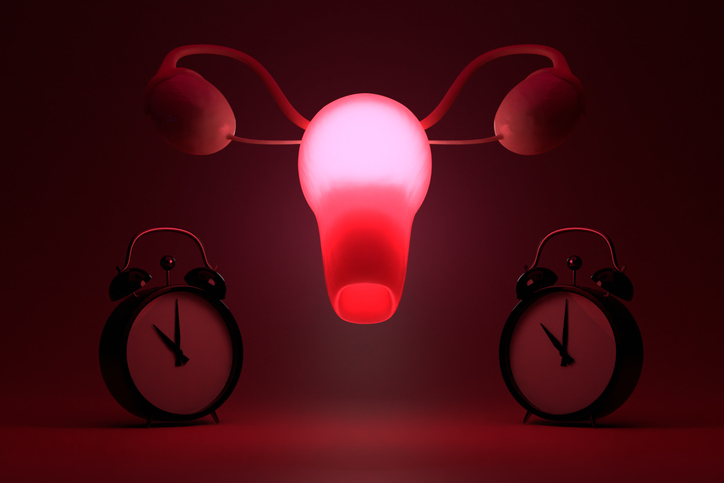
Red Light Therapy and Hormonal Balance: Natural Support for Your Endocrine System
Hormones control virtually every aspect of how you feel and function—from energy and mood to metabolism, sleep, and reproductive health. When hormones are balanced, you feel vibrant and healthy. When they’re not, even small imbalances can create frustrating symptoms that significantly impact quality of life. While hormonal issues often require medical attention, emerging research suggests that red light therapy may offer valuable support for hormonal balance through its effects on cellular function, inflammation, and mitochondrial health.
Understanding Your Endocrine System
Your endocrine system is a complex network of glands that produce and regulate hormones. Major players include:
Thyroid: Regulates metabolism, energy production, and body temperature
Adrenals: Produce cortisol (stress hormone), DHEA, and small amounts of sex hormones
Pancreas: Regulates blood sugar through insulin and glucagon
Ovaries/Testes: Produce sex hormones (estrogen, progesterone, testosterone)
Pituitary: The “master gland” that regulates other hormone-producing glands
Pineal: Produces melatonin for sleep-wake cycles
These glands don’t work in isolation—they’re constantly communicating through feedback loops. When one aspect of this system is disrupted, it can create cascading effects throughout the entire hormonal network.
Common Signs of Hormonal Imbalance
Hormonal imbalances manifest differently depending on which hormones are affected, but common signs include:
- Persistent fatigue despite adequate sleep
- Unexplained weight gain or difficulty losing weight
- Mood swings, anxiety, or depression
- Sleep disturbances
- Low libido
- Irregular menstrual cycles or severe PMS
- Brain fog and difficulty concentrating
- Changes in body temperature regulation
- Hair loss or changes in hair growth patterns
- Skin issues like acne or excessive dryness
Many people struggle with these symptoms for years without realizing hormones are the underlying cause.
How Red Light Therapy Supports Hormonal Balance
Red light therapy doesn’t directly supply hormones or block their production. Instead, it supports hormonal health by optimizing the function of the cells and glands that produce and regulate hormones. Here’s how:
Enhanced Mitochondrial Function: Every hormone-producing cell relies on mitochondria for energy. Red light therapy stimulates mitochondrial function, increasing ATP production. This energy boost helps endocrine cells function more efficiently, potentially supporting better hormone production and regulation.
Reduced Inflammation: Chronic inflammation disrupts hormonal signaling and can damage hormone-producing tissues. The anti-inflammatory effects of red light therapy help create an internal environment more conducive to hormonal balance.
Improved Circulation: Better blood flow means hormone-producing glands receive more nutrients and oxygen while metabolic waste is removed more efficiently. This supports optimal gland function.
Stress Reduction: Red light therapy has been shown to support healthy cortisol patterns and may help regulate the hypothalamic-pituitary-adrenal (HPA) axis, your body’s central stress response system. Since chronic stress is a major disruptor of hormonal balance, this is significant.
Support for Specific Glands: Research has shown that red light therapy can directly benefit certain hormone-producing glands, particularly the thyroid and reproductive organs.
Red Light Therapy and Thyroid Function
The thyroid’s role in hormonal health cannot be overstated—it influences metabolism, energy, body temperature, and interacts with virtually every other hormone system.
Research has demonstrated that near-infrared light therapy can improve thyroid function in people with hypothyroidism, particularly when caused by autoimmune thyroiditis (Hashimoto’s disease). Studies have shown improvements in thyroid hormone levels, reduced thyroid antibodies, and decreased need for thyroid medication in some participants.
The mechanisms appear to involve reduced inflammation in thyroid tissue, improved mitochondrial function in thyroid cells, and enhanced cellular health of the thyroid gland itself. For people struggling with low thyroid function, red light therapy applied to the neck area may offer valuable support alongside medical treatment.
Red Light Therapy for Reproductive Hormone Health
Emerging research suggests red light therapy may support reproductive hormone balance in both men and women:
For Women: Some studies indicate that red light therapy may help regulate menstrual cycles, reduce PMS symptoms, and support ovarian function. The anti-inflammatory effects may be particularly relevant for conditions like polycystic ovary syndrome (PCOS) and endometriosis, which involve significant inflammation.
Research has also explored red light therapy for menopausal symptoms, with some evidence suggesting it may help with hot flashes, sleep disturbances, and mood changes associated with hormonal transition.
For Men: Studies have shown that red light therapy may support healthy testosterone levels and improve testicular function. Research on male fertility has demonstrated that near-infrared light can improve sperm quality, motility, and overall reproductive health—likely through enhanced mitochondrial function in reproductive cells.
One particularly interesting study found that red light therapy applied to the testicular area increased testosterone levels in men with low testosterone. While more research is needed, the results are promising.
Red Light Therapy and Adrenal Health
Your adrenal glands produce cortisol, DHEA, and other hormones essential for stress response, energy, and overall wellbeing. Chronic stress and poor lifestyle habits can lead to dysregulated cortisol patterns—either too high (causing anxiety, sleep problems, and weight gain) or too low (causing fatigue and poor stress resilience).
Red light therapy appears to help regulate the HPA axis and support healthier cortisol patterns. Research has shown that photobiomodulation can reduce elevated cortisol in stressed individuals while potentially supporting more optimal cortisol rhythms throughout the day.
By supporting adrenal health and stress resilience, red light therapy may help break the cycle of chronic stress that disrupts so many other aspects of hormonal balance.
Red Light Therapy and Insulin Sensitivity
While we often think of insulin as purely related to blood sugar, it’s actually a hormone with far-reaching effects. Insulin resistance—when cells become less responsive to insulin—is a major driver of hormonal imbalances, particularly in conditions like PCOS.
Research suggests that red light therapy may improve insulin sensitivity and glucose metabolism. Studies have shown improvements in blood sugar control, reduced insulin resistance, and better metabolic function following red light therapy treatment. These effects likely stem from improved mitochondrial function and cellular metabolism.
For people struggling with conditions that involve insulin resistance, red light therapy may offer valuable metabolic support.
Red Light Therapy and Sleep Hormones
Melatonin, produced by the pineal gland, regulates your sleep-wake cycle. Disrupted sleep is both a cause and consequence of hormonal imbalances.
Interestingly, red light therapy’s effects on sleep appear to be bidirectional depending on timing. Red and near-infrared light don’t suppress melatonin production the way blue and bright white light do, making evening exposure safe and potentially beneficial. Some research suggests that regular red light therapy use may help regulate circadian rhythms and support healthier melatonin patterns.
Better sleep from improved melatonin function creates positive cascade effects throughout the entire hormonal system, since many hormones are produced or regulated during sleep.
Practical Application: Using Red Light Therapy for Hormonal Support
If you’re considering red light therapy to support hormonal balance, here’s a practical approach:
Whole-Body vs. Targeted Treatment: For general hormonal support, full-body red light therapy sessions may be most beneficial, as they support overall cellular function and systemic health. For specific concerns (like thyroid or reproductive health), targeted treatment to specific areas can complement whole-body sessions.
Consistency and Duration: Hormonal changes don’t happen overnight. Plan for at least 8-12 weeks of consistent use (ideally 4-5 times per week, 10-20 minutes per session) before expecting noticeable improvements in hormonal symptoms.
Timing Considerations: Morning sessions may help with energy and circadian rhythm regulation. Evening sessions can support relaxation and sleep preparation without disrupting melatonin like blue light would.
Monitor Your Response: Because hormonal balance is complex and individual, pay attention to how you feel. Some people notice improvements in energy and mood within a few weeks, while other changes (like menstrual cycle regulation or metabolic improvements) may take longer.
Testing: Know Your Hormonal Status
Before starting red light therapy for hormonal support—or any hormonal intervention—it’s valuable to understand your baseline hormone levels. Comprehensive hormone testing can reveal:
- Thyroid function (TSH, Free T3, Free T4, thyroid antibodies)
- Sex hormones (estrogen, progesterone, testosterone, DHEA)
- Cortisol patterns (ideally measured at multiple times throughout the day)
- Metabolic markers (fasting glucose, insulin, HbA1c)
Knowing your starting point allows you to track whether interventions are helping and can reveal specific imbalances that need targeted attention. Retesting after 3-6 months of consistent red light therapy use can show whether it’s making a measurable difference in your hormone levels.
Combining Red Light Therapy with Lifestyle for Optimal Results
Red light therapy works best as part of a comprehensive approach to hormonal health:
Nutrition: Hormones require specific building blocks (proteins, healthy fats, micronutrients). A diet rich in whole foods supports hormone production and balance.
Stress Management: Since chronic stress is perhaps the biggest hormonal disruptor, incorporating stress-reduction practices (meditation, yoga, time in nature) amplifies the benefits of red light therapy.
Sleep Optimization: Prioritize 7-9 hours of quality sleep. Red light therapy can support this, but good sleep hygiene matters too.
Movement: Regular exercise supports hormonal balance, but excessive exercise can be a stressor. Find the right balance for your body.
Toxin Reduction: Endocrine-disrupting chemicals in plastics, personal care products, and pesticides can interfere with hormonal function. Reducing exposure supports your body’s natural balance.
For additional hormonal and detoxification support, some people find that infrared sauna therapy complements red light therapy well. The deep sweating and increased circulation from infrared sauna sessions can help eliminate endocrine-disrupting toxins while supporting stress reduction and better sleep—all beneficial for hormonal balance.
Who Should Consider Red Light Therapy for Hormonal Support
Red light therapy may be particularly helpful for:
- People with subclinical or diagnosed hypothyroidism
- Women with irregular menstrual cycles, severe PMS, or PCOS
- Men with low testosterone or fertility concerns
- Anyone dealing with symptoms of hormonal imbalance without clear diagnosis
- People struggling with stress-related hormonal disruption
- Those seeking to optimize hormonal health preventatively
Important Considerations and Safety
While red light therapy is generally very safe, a few considerations for hormonal health:
Medical Supervision: If you have diagnosed hormonal conditions and are taking hormone replacement therapy or other medications, work with your healthcare provider. Hormone levels may need monitoring and medication adjustments as your natural production improves.
Pregnancy: While red light therapy appears safe, if you’re pregnant, consult with your obstetrician before starting treatment.
Hormone-Sensitive Conditions: For conditions like certain types of breast cancer or other hormone-sensitive tumors, discuss red light therapy with your oncologist before use.
Realistic Expectations: Red light therapy supports hormonal health but isn’t a magic cure. Significant hormonal imbalances require comprehensive medical care.
The Bottom Line
Hormonal balance is foundational to how you feel and function day-to-day. While red light therapy isn’t a replacement for necessary medical treatment of hormonal disorders, emerging research suggests it can offer valuable support through multiple mechanisms: enhanced cellular energy production, reduced inflammation, improved circulation, and direct benefits to hormone-producing glands.
Whether you’re dealing with thyroid issues, reproductive hormone imbalances, adrenal dysfunction, or metabolic concerns, red light therapy provides a safe, non-invasive tool that addresses hormonal health at the cellular level. Combined with comprehensive hormone testing, proper nutrition, stress management, and medical care when needed, it may help you achieve the hormonal balance that supports optimal health and vitality.
Remember, hormones are complex and individual. What works for one person may not work identically for another. Pay attention to your body’s response, track your symptoms, and consider working with a knowledgeable healthcare provider who can help you interpret changes and optimize your approach.
Disclaimer: This content is provided for educational purposes and should not replace professional medical advice. Always consult with qualified healthcare providers before making changes to your health regimen.
Please take time to study up and read up on the multiple values of red light therapy and sauna use. Be sure to use reputable products. The products recommended on this blog are products I use myself and recommend to people called patients. So I have a total comfort zone recommending them to you!
Remember, your mitochondria are YOU—be good to them, love them, and the rest will fall into place. Stay Safe and Be Well Out There!
RedLightTherapyForMe.com is committed to empowering individuals with the healing aspects of light therapy and sauna wellness. Explore the transformative benefits of these natural modalities and discover your path to optimal health today.