

How Red Light Therapy Helps with Muscle Recovery After Exercise
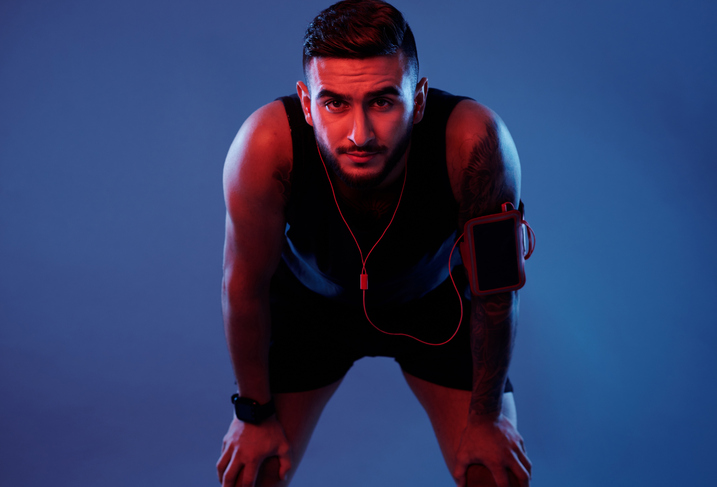
Whether you’re a competitive athlete, weekend warrior, or someone who simply enjoys staying active, you’ve probably experienced that familiar soreness and fatigue after a challenging workout. While some muscle soreness is a normal part of building strength and endurance, excessive inflammation and prolonged recovery time can hold you back from reaching your fitness goals. Enter red light therapy—a scientifically-backed recovery tool that’s becoming increasingly popular among professional athletes and fitness enthusiasts alike.
Understanding Muscle Recovery: What Happens After Exercise
When you exercise, especially during intense or unfamiliar activities, you create microscopic damage to your muscle fibers. This might sound concerning, but it’s actually how your body builds stronger, more resilient muscles. However, this process triggers inflammation and requires significant cellular energy to repair the damage and rebuild stronger tissue.
The recovery process involves several key elements: reducing inflammation, clearing metabolic waste products like lactic acid, repairing damaged tissue, and replenishing cellular energy stores. The faster and more efficiently your body can accomplish these tasks, the quicker you’ll recover and the sooner you can train again at peak performance.
How Red Light Therapy Accelerates Muscle Recovery
Red light therapy works at the cellular level to support every aspect of the recovery process. By delivering specific wavelengths of red and near-infrared light (typically 600-850nm) to your tissues, it triggers a cascade of biological responses that enhance your body’s natural healing capabilities.
Boosting Cellular Energy Production: At the heart of red light therapy’s benefits is its ability to stimulate mitochondrial function. Your mitochondria are responsible for producing ATP, the energy currency your cells need to function and repair. Studies have shown that red light therapy can increase ATP production by up to 160%, giving your muscle cells the energy they need to recover faster and more completely.
Reducing Exercise-Induced Inflammation: While some inflammation is necessary for muscle adaptation, excessive inflammation prolongs soreness and delays recovery. Research published in the Journal of Athletic Training demonstrated that red light therapy significantly reduces inflammatory markers after exercise, helping athletes recover faster without interfering with the beneficial adaptations that come from training.
Improving Blood Flow and Oxygen Delivery: Red light therapy stimulates the production of nitric oxide, a molecule that causes blood vessels to dilate. This improved circulation means more oxygen and nutrients reach your recovering muscles, while metabolic waste products are removed more efficiently. Better circulation also means less soreness and faster healing.
Reducing Oxidative Stress: Intense exercise generates free radicals that can damage cellular structures and slow recovery. Red light therapy has been shown to boost your body’s antioxidant defenses, helping protect your cells from oxidative damage and supporting faster recovery.
What the Research Says
The scientific evidence supporting red light therapy for athletic recovery is substantial and growing. A meta-analysis published in Lasers in Medical Science reviewed multiple studies and concluded that photobiomodulation therapy applied before or after exercise significantly reduces muscle soreness, accelerates recovery of muscle strength, and reduces markers of muscle damage.
One particularly interesting study from the European Journal of Applied Physiology found that athletes who used red light therapy before exercise experienced less muscle damage and faster recovery compared to those who didn’t. The pre-treatment seemed to “prime” the muscles, making them more resilient to the stress of exercise.
Professional sports teams and Olympic athletes have taken notice. Many now incorporate red light therapy into their regular training and recovery protocols, using it both before workouts to enhance performance and afterward to speed recovery.
Optimal Timing: When to Use Red Light Therapy for Recovery
The timing of your red light therapy sessions can influence the results you experience. Research suggests several effective approaches:
Pre-Workout Application: Using red light therapy 30-60 minutes before exercise can help prepare your muscles, potentially reducing the severity of muscle damage and soreness that follows. This approach has been shown to improve performance metrics as well.
Post-Workout Recovery: Applying red light therapy immediately after exercise or within a few hours helps jumpstart the recovery process by reducing inflammation and supporting cellular repair when your muscles need it most.
Consistent Daily Use: Many athletes find that incorporating red light therapy into their daily routine—regardless of workout timing—provides the best overall results. This approach supports ongoing recovery and helps maintain optimal cellular function.
Sessions typically range from 10-20 minutes per treatment area, though optimal duration can vary based on the specific device and your individual needs.
Beyond Muscle Recovery: Additional Performance Benefits
While faster recovery is the primary draw for most athletes, red light therapy offers several additional benefits that can enhance your overall fitness journey:
Reduced Delayed Onset Muscle Soreness (DOMS): Multiple studies have shown that red light therapy can significantly reduce the severity and duration of DOMS, that peak soreness that typically hits 24-72 hours after intense exercise.
Enhanced Muscle Strength Preservation: Research indicates that red light therapy can help preserve muscle strength during the recovery period, meaning you lose less ground between training sessions.
Improved Range of Motion: By reducing inflammation and stiffness, red light therapy can help maintain flexibility and range of motion, which is crucial for both performance and injury prevention.
Tendon and Ligament Support: Red light therapy doesn’t just benefit muscles—it also supports the health of tendons and ligaments, potentially reducing injury risk and supporting recovery from overuse injuries.
Combining Recovery Strategies for Maximum Results
Red light therapy works exceptionally well as part of a comprehensive recovery strategy. Consider combining it with:
Proper Nutrition: Your muscles need adequate protein and nutrients to rebuild. Red light therapy can enhance how your body uses those nutrients, but it can’t replace good nutrition.
Quality Sleep: Sleep is when most muscle repair happens. Red light therapy can support this process, but adequate sleep remains essential.
Hydration: Staying well-hydrated supports all aspects of recovery, including the benefits you’ll get from red light therapy.
Infrared Sauna Sessions: Many athletes find that combining red light therapy with near-infrared sauna therapy provides even more comprehensive recovery support. While red light therapy targets specific muscle groups with precision, infrared sauna therapy offers whole-body benefits including deep tissue warming, enhanced circulation, and accelerated toxin elimination through sweating. The combination can be particularly powerful for athletes dealing with intense training loads.
Choosing the Right Approach for Your Fitness Level
Whether you’re training for a marathon, lifting heavy at the gym, or simply trying to stay active and healthy, red light therapy can support your recovery needs. The key is consistency and proper application.
For serious athletes with high training volumes, investing in a quality red light therapy device for home use makes sense. Look for devices that offer both red and near-infrared wavelengths for optimal tissue penetration. Some innovative technologies, like DNA Vibe’s patented approach, achieve therapeutic effects through precise wavelength delivery and cellular resonance rather than just high power output.
For recreational exercisers, even a few sessions per week can make a noticeable difference in how you feel and how quickly you bounce back from workouts.
Safety and Practical Considerations
Red light therapy is remarkably safe with virtually no side effects when used properly. It’s non-invasive, painless, and doesn’t generate uncomfortable heat. Unlike some recovery modalities like ice baths or intense massage, red light therapy is comfortable and relaxing.
The main consideration is consistency. Like any recovery tool, red light therapy works best when used regularly as part of your routine rather than sporadically.
The Bottom Line on Red Light Therapy for Athletic Recovery
If you’re serious about your fitness and performance, red light therapy deserves a place in your recovery toolkit. The science is clear: it reduces muscle soreness, accelerates recovery, decreases inflammation, and supports the cellular processes your body needs to rebuild stronger.
Whether you’re trying to train more frequently, recover from intense competitions, or simply reduce the soreness that makes daily activities uncomfortable, red light therapy offers a natural, evidence-based solution. The investment in faster recovery means more consistent training, better performance, and ultimately, better results from all the hard work you’re putting in.
Disclaimer: This content is provided for educational purposes and should not replace professional medical advice. Always consult with qualified healthcare providers before making changes to your health regimen.
RedLightTherapyForMe.com is committed to empowering individuals with advanced diagnostic testing and personalized health insights. Explore our comprehensive testing options and discover the root causes behind your symptoms today.